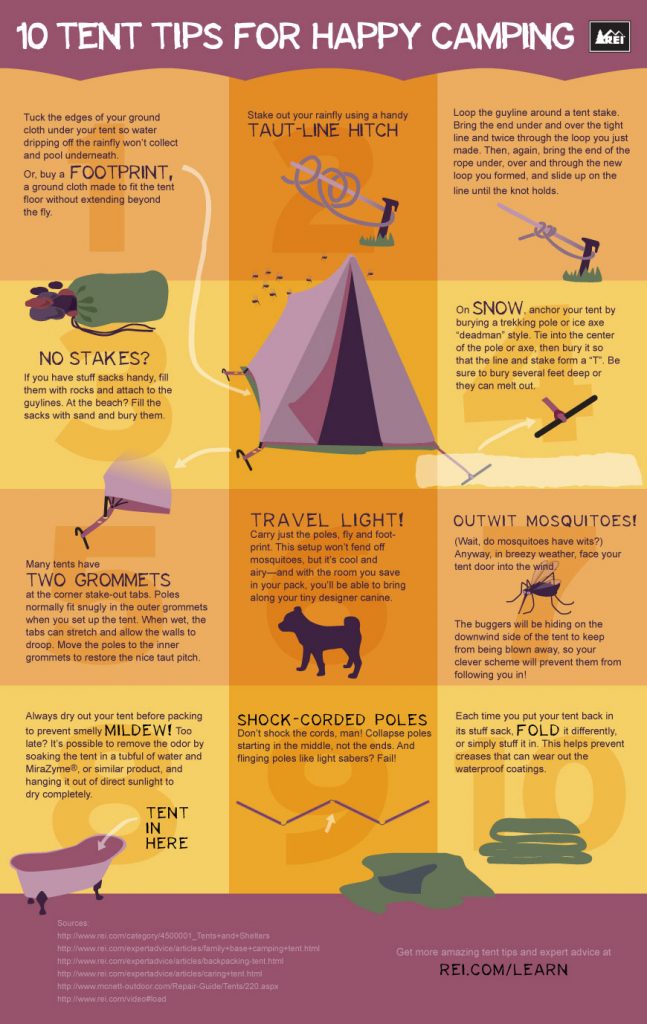
Every camper knows the fear of awakening in a soggy sleeping bag or watching rainfall seep with a camping tent floor. Waterproofing is non-negotiable in the outdoors. Yet as environment understanding grows, more travelers are asking a more challenging question: what is the ecological cost of staying completely dry? The good news is that the outdoor industry is reacting with a brand-new generation of sustainable waterproof products that secure both the camper and the world.
Why Conventional Waterproofing Is a Trouble
For years, the gold standard for waterproof efficiency was PFAS-- per- and polyfluoroalkyl compounds, commonly called "permanently chemicals." Utilized in durable water repellent (DWR) layers put on camping tents, rain jackets, and tarpaulins, PFAS are very reliable at fending off water. Regrettably, they are additionally very persistent. They accumulate in soil, groundwater, wildlife, and human tissue, and have been linked to a range of health issues. When you pitch a camping tent treated with conventional DWR finishings in a pristine towering meadow, traces of those chemicals can leach right into the very setting you pertained to delight in.
Beyond finishes, numerous water-proof membranes-- like those made from polyvinyl chloride (PVC)-- are stemmed from petrochemicals and are notoriously difficult to reuse. The outdoor equipment we depend on has actually historically brought a significant environmental impact.
The Rise of PFAS-Free Waterproof Technologies
The change far from permanently chemicals is currently well underway. Several ingenious choices now provide equivalent water resistance without the toxic tradition.
Fluorine-Free DWR Coatings
Brands and chemical companies have actually developed DWR treatments based upon plant-derived waxes, silicones, and polyurethane compounds. These layers break down far more securely in the setting. While earlier versions dragged PFAS in raw efficiency, solutions have enhanced substantially, and many fluorine-free DWR products now do very well in real-world camping conditions. They do need even more constant reapplication, which is a fair trade-off for environmental satisfaction.
Bio-Based and Recycled Membrane Layers
Waterproof-breathable membranes-- the inner layer that obstructs rainfall while permitting moisture vapor to leave-- have actually commonly relied upon expanded polytetrafluoroethylene (ePTFE) or polyurethane films originated from nonrenewable fuel sources. More recent alternatives consist of membranes made from recycled polyester, bio-based polyurethane originated from corn or castor oil, and even speculative cellulose-based movies. These products lower dependence on virgin petrochemicals while maintaining the breathability important for active use in the outdoors.
Lasting Fabrics Well Worth Understanding
Past layers and membrane layers, the base textiles used in camping gear are likewise progressing.
Recycled Nylon and Polyester
Much of the water-proof nylon and polyester made use of in outdoors tents, rainfall fly covers, and completely dry bags can currently be sourced from post-consumer recycled web content-- consisting of redeemed angling webs, plastic containers, and commercial textile waste. Recycled synthetics utilize significantly less energy and water to produce than virgin materials and divert plastic from landfills and oceans. Many leading exterior brand names currently use camping tents and packs made mainly from recycled textiles without compromising sturdiness or waterproof efficiency.
Waxed Canvas and All-natural Fibers
Traditional waxed canvas is experiencing a real rebirth amongst campers that value durability over lightweight benefit. Made from firmly woven cotton treated with natural paraffin or plant-based waxes, waxed canvas sheds water effectively, ages beautifully, and-- most importantly-- can be re-waxed in the house to expand its life expectancy indefinitely. A well-maintained waxed canvas tent or tarp can last years, substantially minimizing the demand for substitute.
Dyneema Composite Fabric
Originally created for high-performance cruising, Dyneema Compound Material (DCF) is an ultralight, highly water-proof product progressively used in ultralight outdoor camping sanctuaries and dry bags. While it is a synthetic product, its remarkable resilience means equipment made from it lasts far longer than conventional choices-- and durability is itself a type of sustainability.
Making Smarter Choices as a Camper
Picking sustainable waterproof equipment is not only concerning what items are made from-- it is likewise about just how you take care of them. Properly cleaning, drying, and re-treating DWR coatings expands the life of your gear and lowers the frequency of replacement. Purchasing from brands that supply yurts tents repair service programs, take-back schemes, or life time warranties more compounds the ecological advantage.
The most lasting piece of equipment is the one you already possess, preserved well and used for as long as feasible. However when the moment does pertain to invest in something new, the alternatives for water resistant products that line up with ecological values have never ever been wider or better. Remaining dry and stepping gently are no more completing objectives-- they can go hand in hand, one campground each time.